

The Ultimate Guide to Cryptocurrency Trading: Understanding Trend Lines, Fees, and Scalping
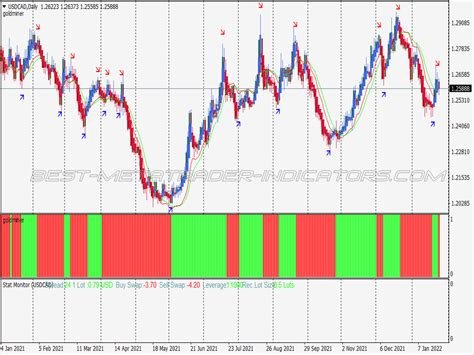
The world of cryptocurrency trading has become increasingly popular in recent years, with thousands of traders around the world risking their hard-earned money with the potential to make huge profits. But before you start investing in cryptocurrencies like Bitcoin or Ethereum, it’s essential to understand some fundamental concepts that will help you make informed decisions.
Understanding Trend Lines
A trend line is a mathematical tool used in technical analysis to predict price movements and identify potential areas of support and resistance. It is essentially a line that connects two key points on the chart – these are usually two important highs or lows, known as support levels or resistance levels.
Trend lines serve several purposes:
- Predicting Price Movements
– By identifying trend lines, traders can anticipate price movements and make informed decisions about when to buy or sell.
- Identifying Support and Resistance: Trend lines help identify areas of support (where prices tend to bounce) and resistance (where prices are more likely to fall).
- Risk Management: By using trend lines, traders can set stop-loss levels based on the slope of the line, which helps manage risk and limit potential losses.
Understanding Fees in Cryptocurrency Trading
Fees are a crucial aspect of cryptocurrency trading, as they represent the cost associated with executing trades. Different exchanges have different fees for different types of transactions:
- Trading Fees: These fees cover transaction processing costs, including order book size, network congestion, and other overhead.
- Withdrawal Fees: Withdrawal fees refer to the charges that exchanges charge when a user requests to transfer funds out of their account.
- Exchange Fees: Some exchanges charge additional fees for services such as margin trading or the use of certain payment methods.
Understanding Scalping in Cryptocurrency Trading
Scalping is a high-frequency trading strategy that involves making multiple trades per day, often with the goal of profiting from small price movements. Scalping requires:
- High-frequency trading: Scalpers need to execute trades quickly, usually within fractions of a second.
- Large transaction sizes: Trades are usually made in smaller lots, allowing scalpers to profit from small price differences.
- Fast execution times: To remain profitable, scalpers rely on fast execution times, which can be achieved through low-latency exchanges and specialized trading platforms.
Real examples of scalping
- BitMEX: The popular cryptocurrency exchange has been criticized for its high fees and lack of liquidity, but some traders have made significant profits using the platform.
- CryptoTrader: This online trading platform offers scalping tools and features designed to help traders execute trades at high speed.
Conclusion
While understanding trend lines, fees, and scalping strategies is essential to successfully trading cryptocurrencies, it is also critical to remember that these concepts are constantly evolving. The cryptocurrency market is known for its volatility, and traders must be prepared to adapt their strategies in response to changing market conditions.
As you embark on your trading journey, always prioritize:
- Risk Management: Set stop loss levels and manage risk to avoid significant losses.
- Continuous learning: Stay up to date with market developments, trends, and technical analysis techniques.
- Patience: Scalping requires patience; don’t get discouraged by temporary losses or setbacks.
By understanding the fundamental concepts of trend lines, fees, and scalping, you’ll be better prepared to navigate the complex world of cryptocurrency trading.